Luna Onboarding
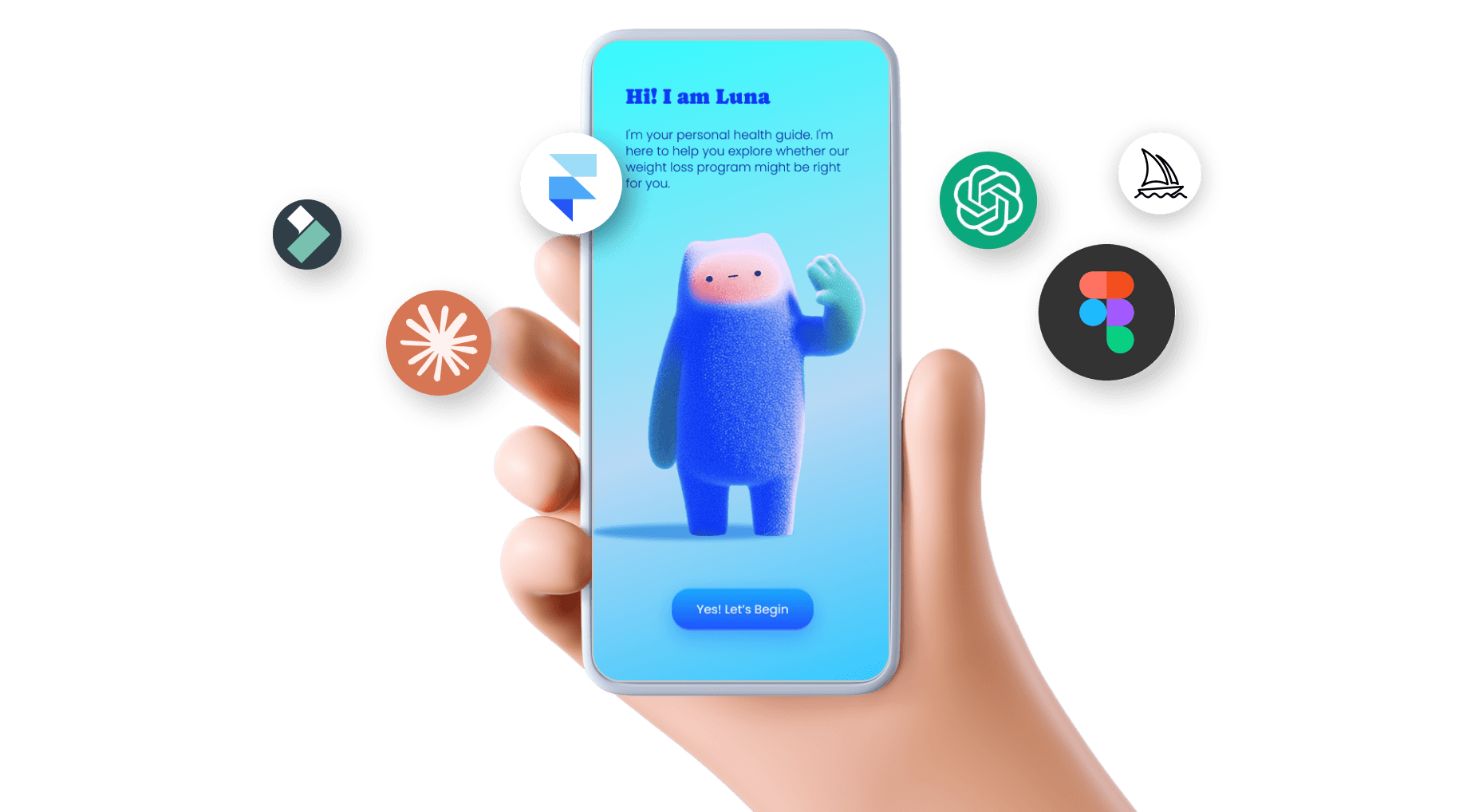
Redesigning onboarding for a wellness app by integrating AI into research, iteration, and microcopy workflows.
Luna is a concept wellness app focused on helping users build healthier daily routines through guided setup and lightweight tracking.
This case study demonstrates how AI tools were integrated into the design process — accelerating iteration, refining microcopy, and surfacing friction points — while keeping core product decisions human-led.
40-60% of users abandon wellness app onboarding before completion. The issue isn't complexity—it's that traditional flows front-load decisions without establishing value first. Users arrive motivated but uncertain. If onboarding feels demanding rather than supportive, they leave before experiencing the product's core benefits.
Design an onboarding flow that reduces cognitive load while collecting necessary data for personalization. The experience must demonstrate value early, adapt to different user confidence levels, and feel conversational rather than interrogative—all while accommodating both visual and audio learners across 8-10 essential steps.
AI tools accelerated production but didn't replace design thinking. Each AI output was evaluated against core UX principles:
For example, Midjourney generated 50+ character concepts, but I selected the final direction based on accessibility considerations and emotional resonance with target users.
01


02

03

04





Streamline to 8-10 focused steps Addresses:
30+ min onboarding, high drop-off rates
Introduce AI companion character (Luna) Addresses:
Abandonment, anxiety, lack of guidance
Enable conversational UI with voice + text input Addresses:
High fatigue, accessibility needs
Implement smart progress indicators Addresses:
User anxiety about time commitment
How AI Enhanced Research
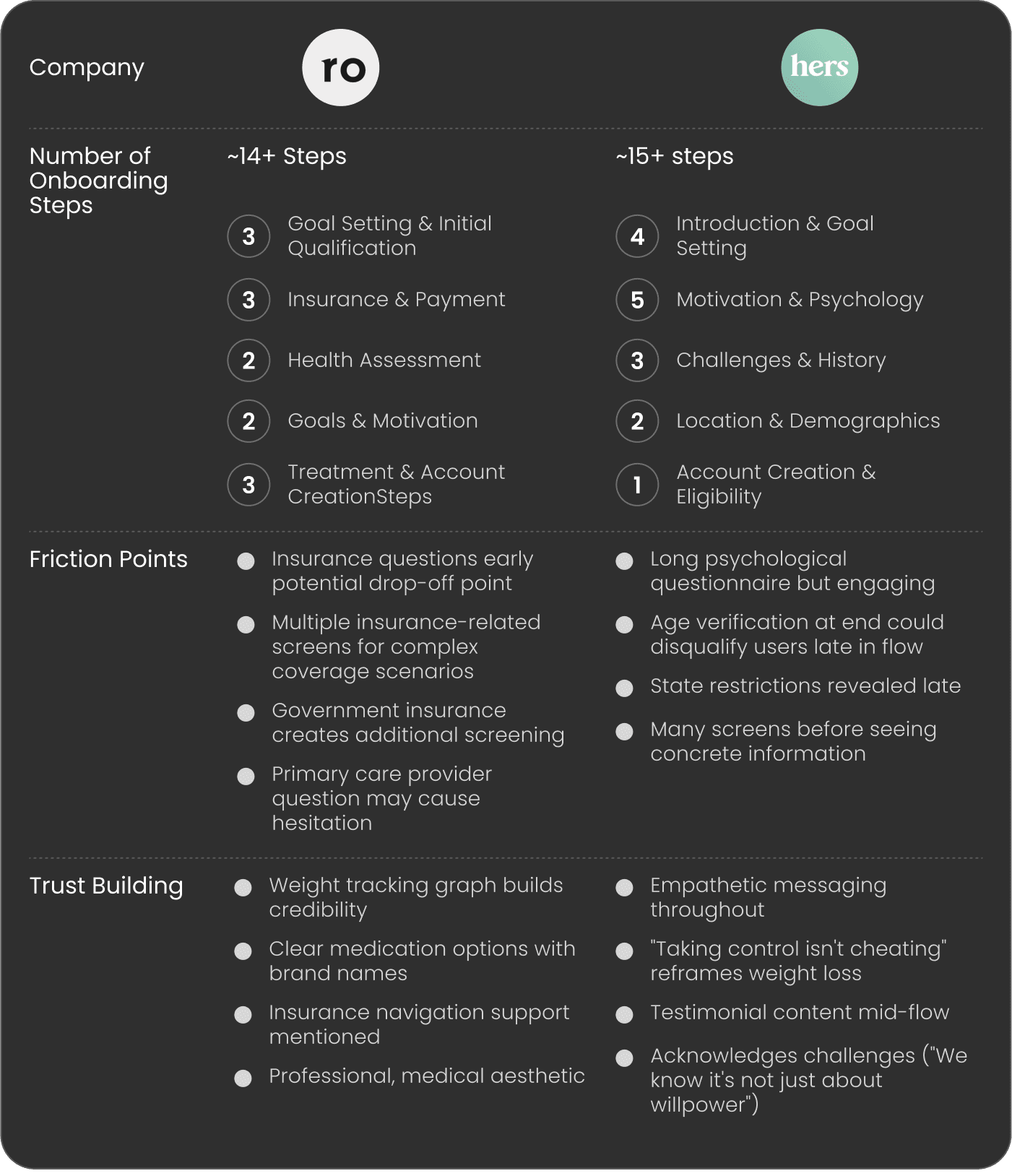
Pattern Recognition: Used Claude to analyze 30+ onboarding flows, identifying common friction patterns across 14-15+ step experiences
Content Analysis: Employed AI to extract pain points from user reviews across competitor apps
Synthesis: Generated initial opportunity frameworks that were then validated and refined through traditional UX methods
Key Insight: AI helped accelerate pattern recognition, but human judgment was essential for determining which patterns were truly problematic versus industry-specific requirements (like insurance verification in health apps).

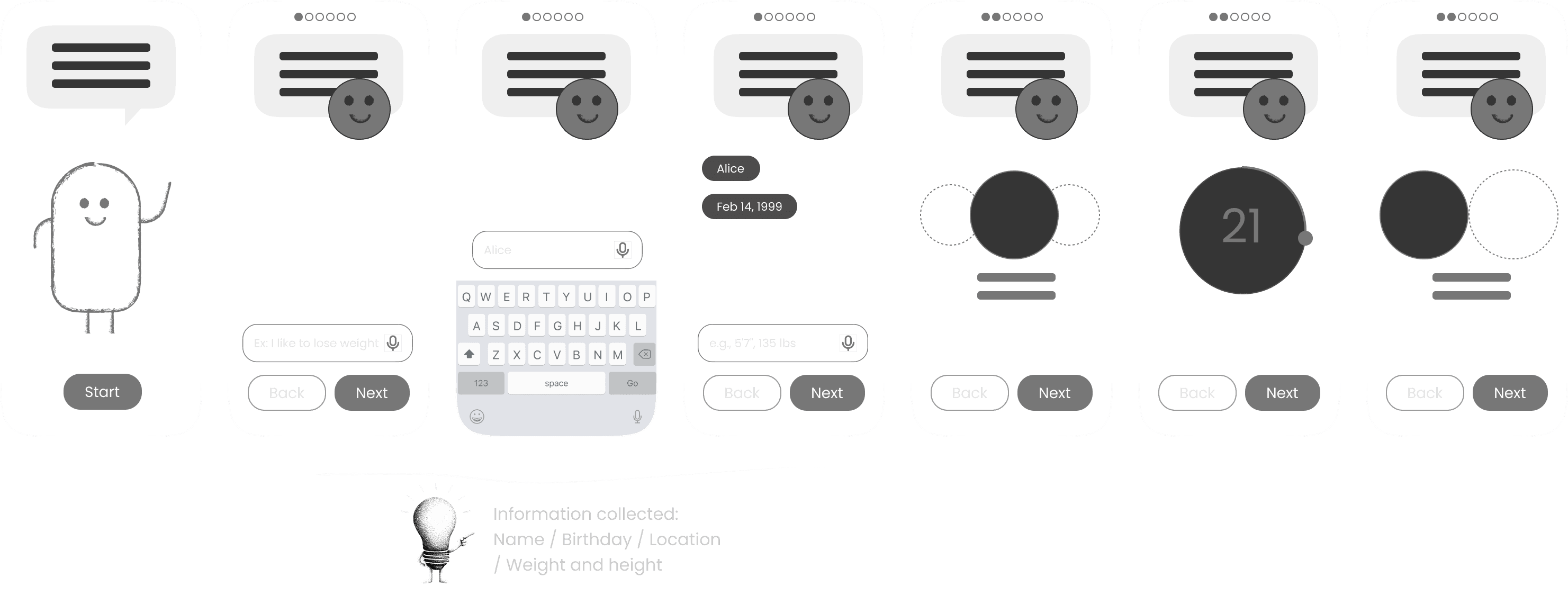
I followed a user-centered design approach, moving iteratively through research, ideation, design, and testing phases. Each stage informed the next, ensuring decisions were grounded in user needs and validated through testing.
The design phase transformed conceptual sketches into a living, breathing character. Using a multi-tool AI workflow, I built Luna from the ground up: exploring visual identity, crafting emotional expressions, and bringing her to life through animation and voice.
Explore Character in Midjourney
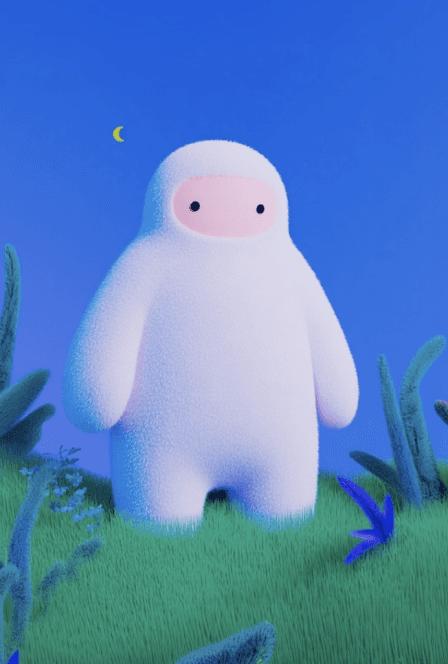
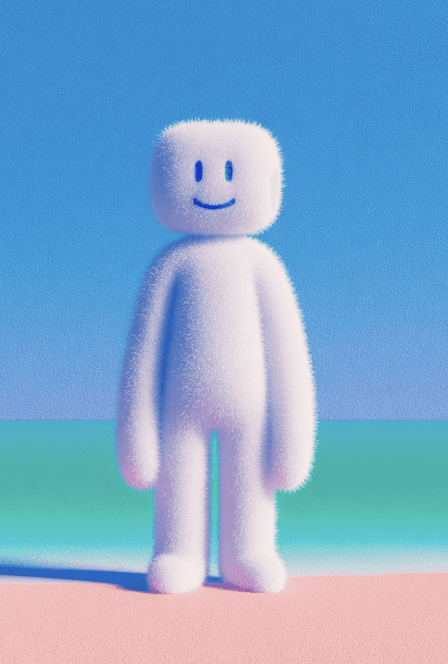
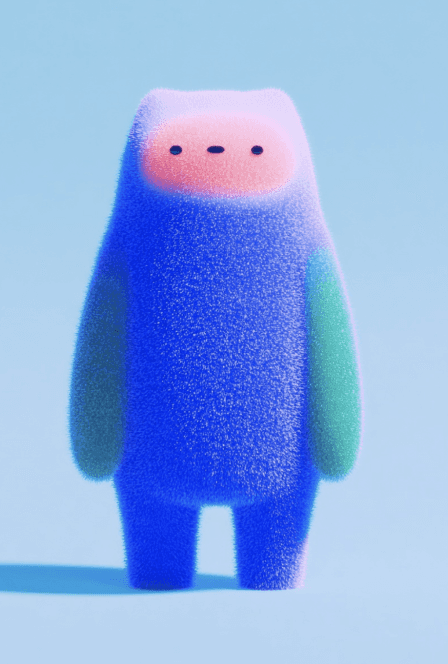
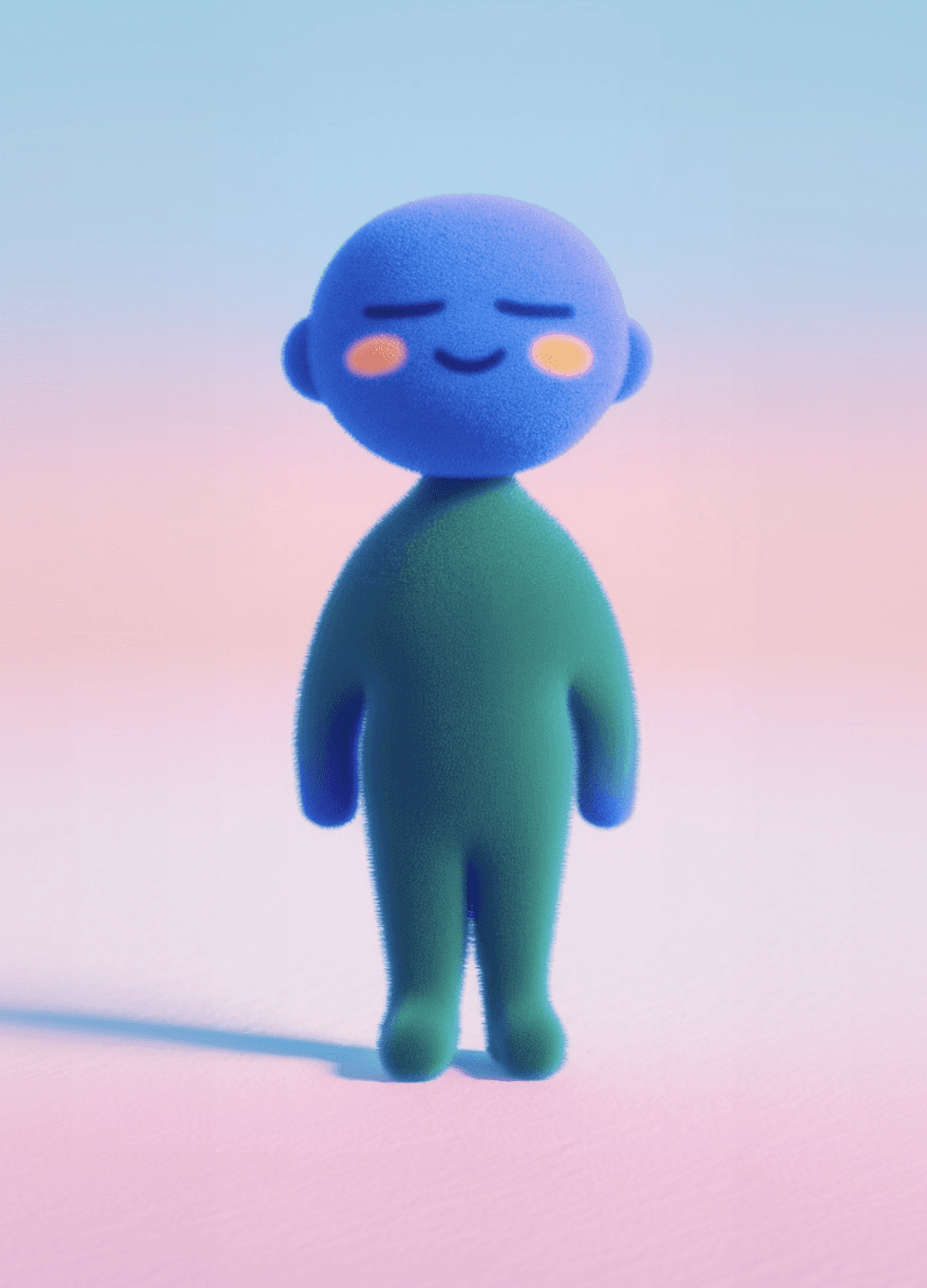

Explore 50+ character concepts across diverse styles. I crafted multiple prompts testing different forms, personality expressions, and ensuring each variation aligned with the brand's calming color palette and friendly, approachable tone."
Create character variations
Once the core character was established, I used ChatGPT to generate detailed prompts for Midjourney, creating Luna's emotional range for different onboarding moments.
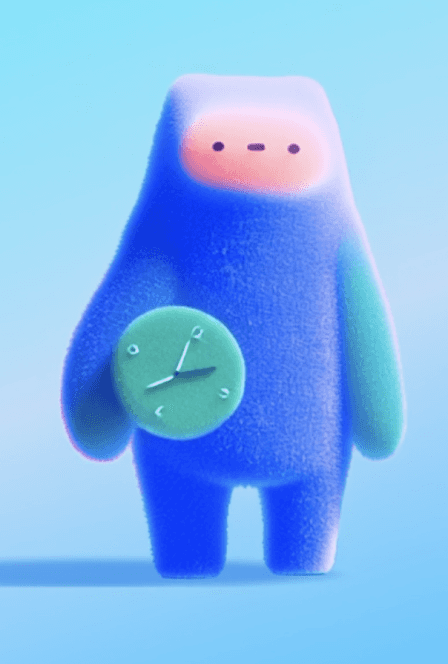

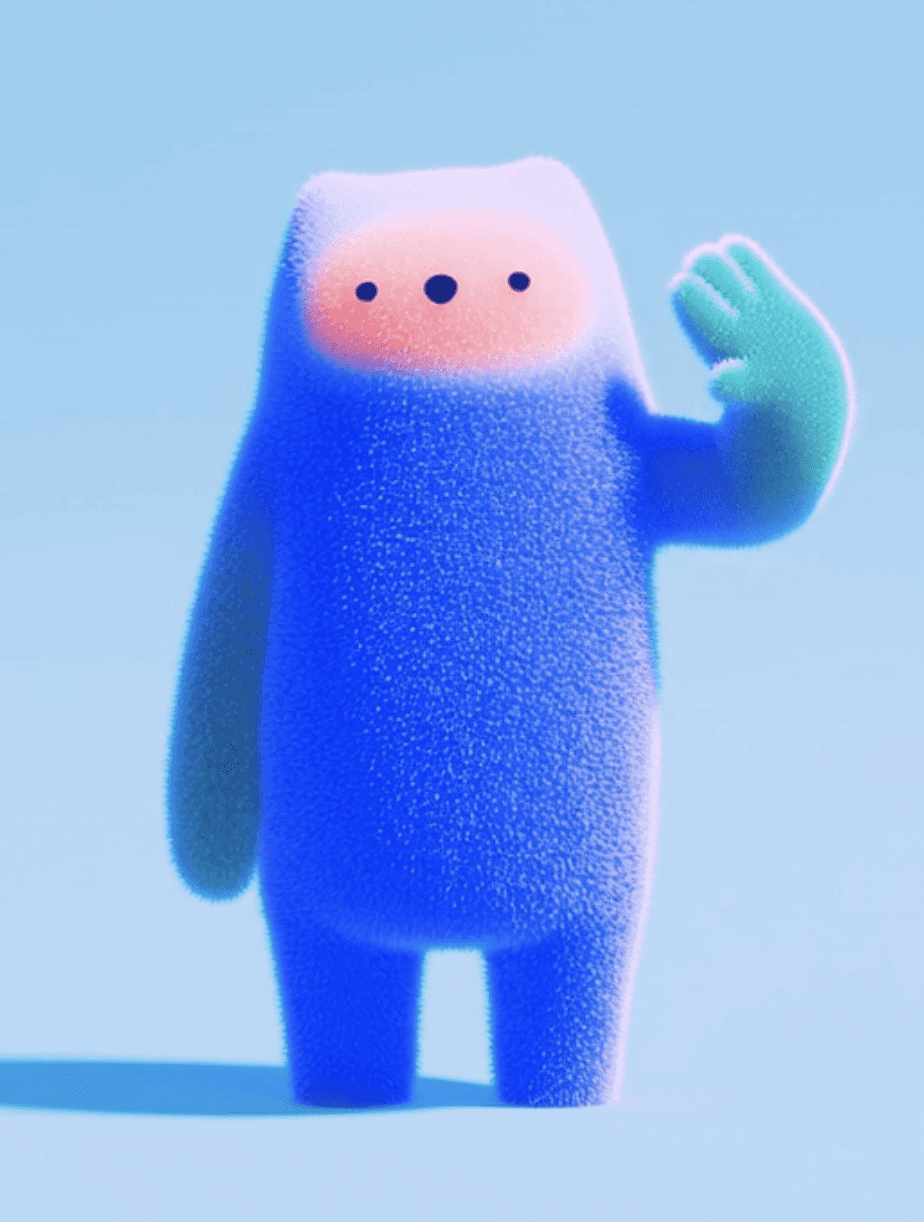

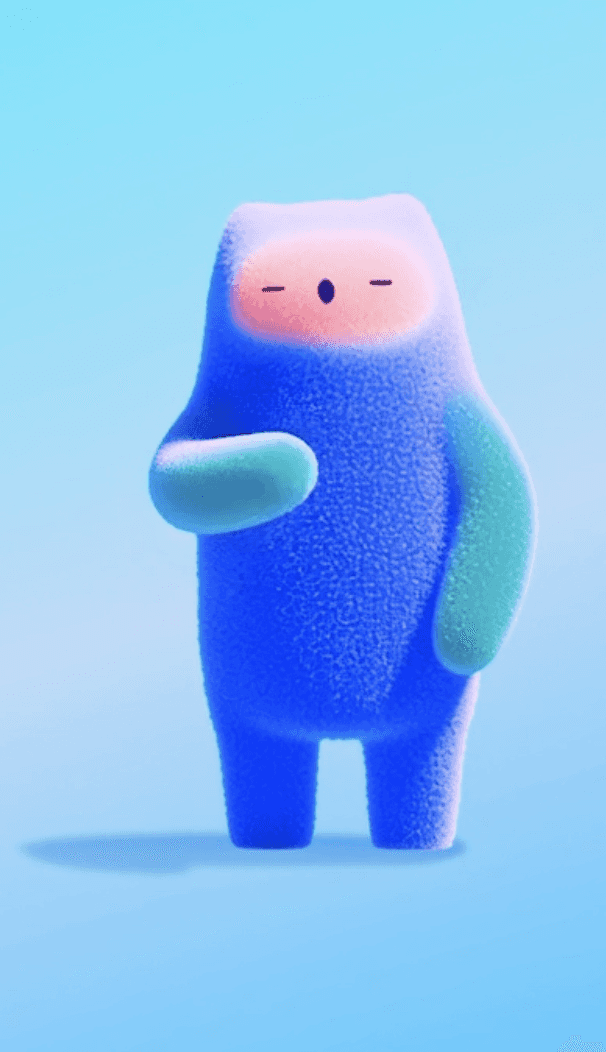
Create character variations


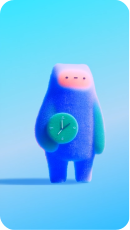
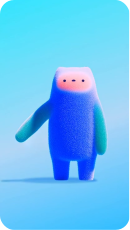
To bring Luna to life, I combined multiple AI tools to create animated, talking character interactions.
Animation Foundation : Created animated versions in Kling AI based on the character variations developed in the previous step
Used ElevenLabs (text-to-audio AI) to generate Luna's voice
Combined animated visuals with AI-generated audio in Filmora
Design Decisions Behind Luna
Why this character form?
Moon-inspired design: Connects to nighttime wellness routines and calm evening reflection
Soft, rounded shapes: Psychologically associated with approachability and safety
Minimal facial details: Allows users to project their own emotions; avoids uncanny valley
Consistent color palette: Purple/blue tones align with wellness app conventions while differentiating from competitors
Emotional Range Development:
Created 8 core expressions matching key onboarding moments
Each expression serves a specific UX function (welcoming, encouraging, celebrating)
Tested readability at 80px size to ensure expressions communicate clearly on mobile
Illustrations style creation
Once Luna's personality was defined, I expanded the visual language—creating 20+ supporting illustrations in Midjourney that maintain consistency while adding contextual depth to each onboarding moment.

These high-fidelity mockups demonstrate how Luna guides users through onboarding—from the welcoming video introduction to the celebratory completion message.
A welcoming video introduction where Luna explains the onboarding process, setting expectations that it's quick, easy, and judgment-free.


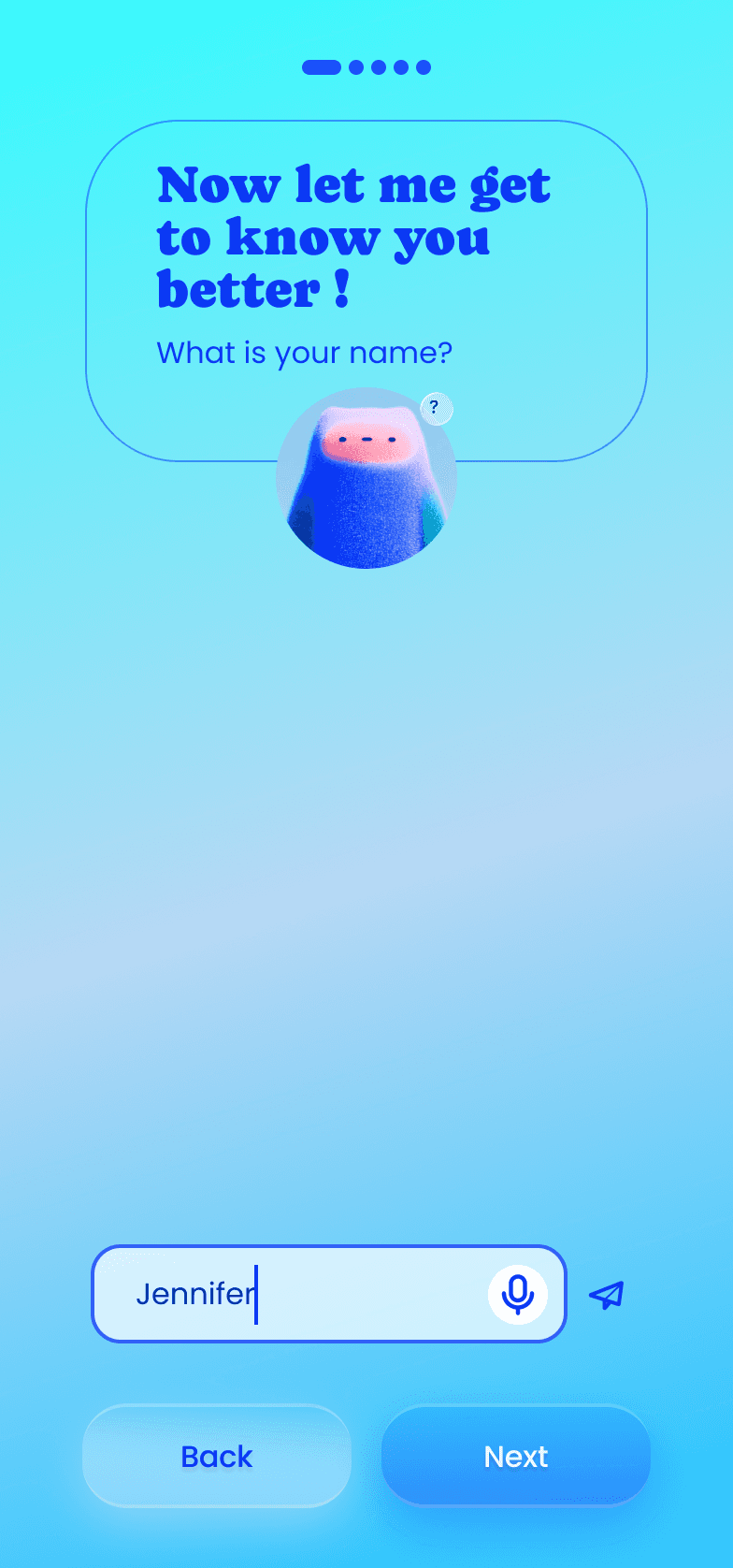
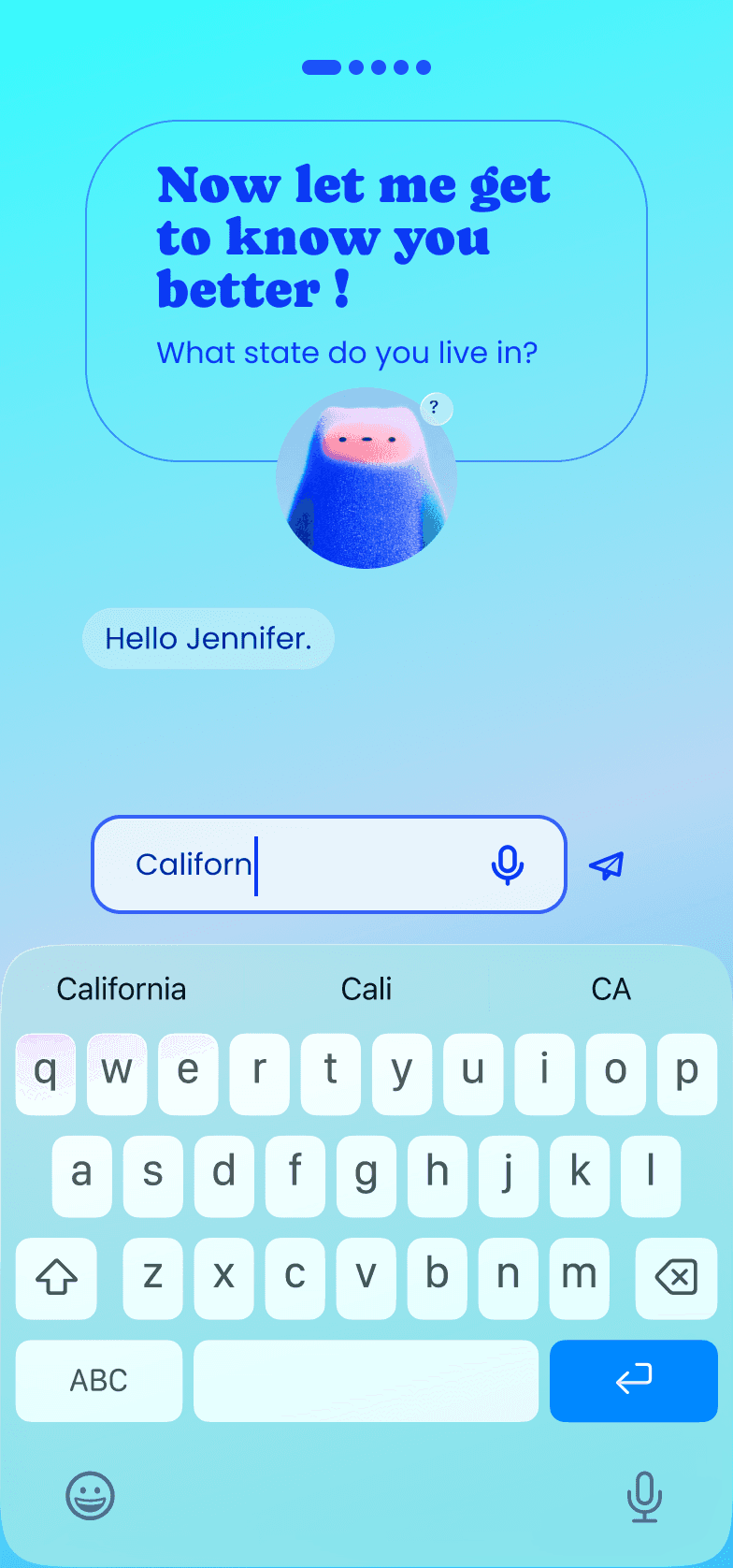
Questions are presented through both Luna's voice narration and on-screen text, accommodating different user preferences and accessibility needs.
Users can respond via text input (chat-style interface) or voice recording, with both methods formatting answers consistently for data collection.
Previous answers appear in a conversational chat format above the current question. Users can tap any response to edit their answer before proceeding


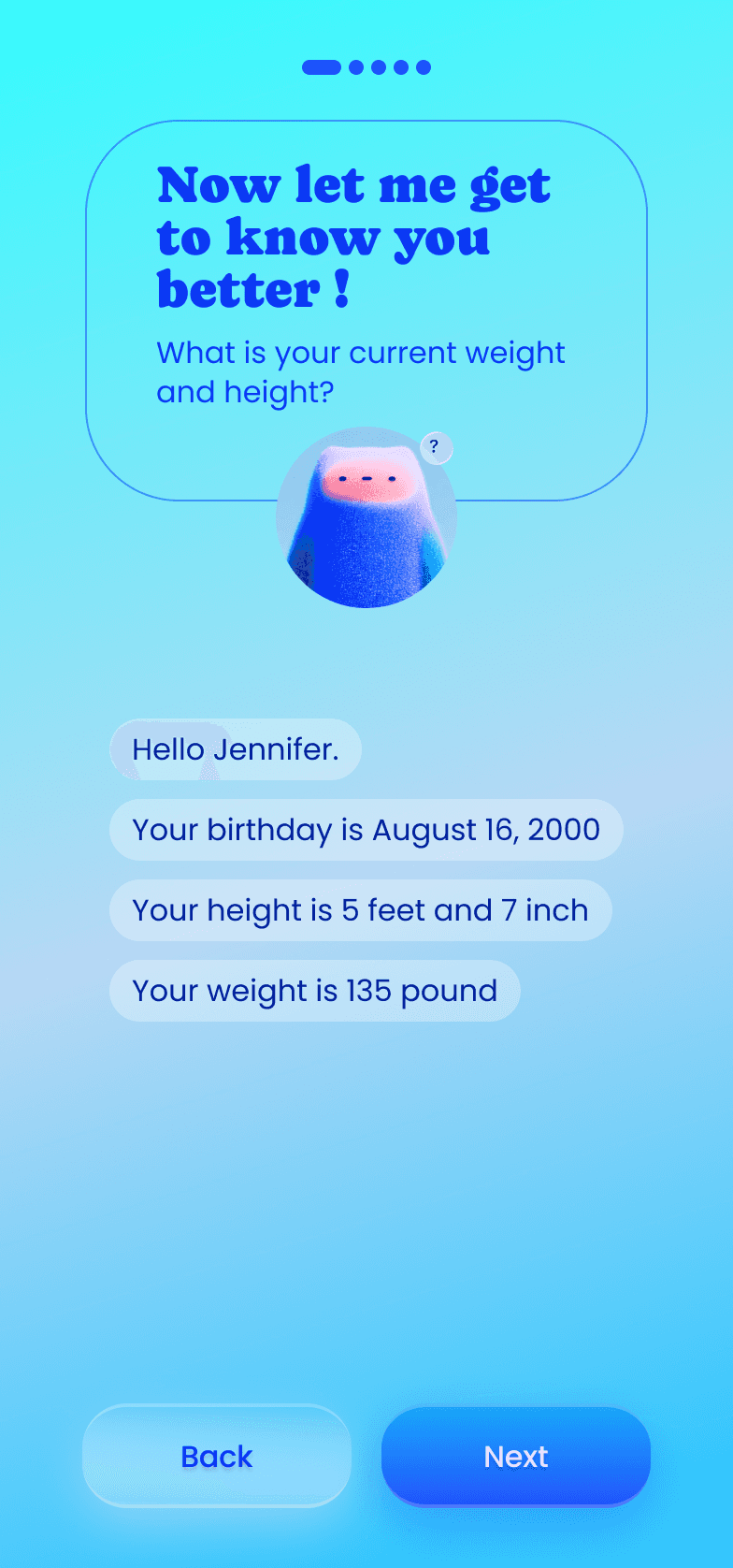
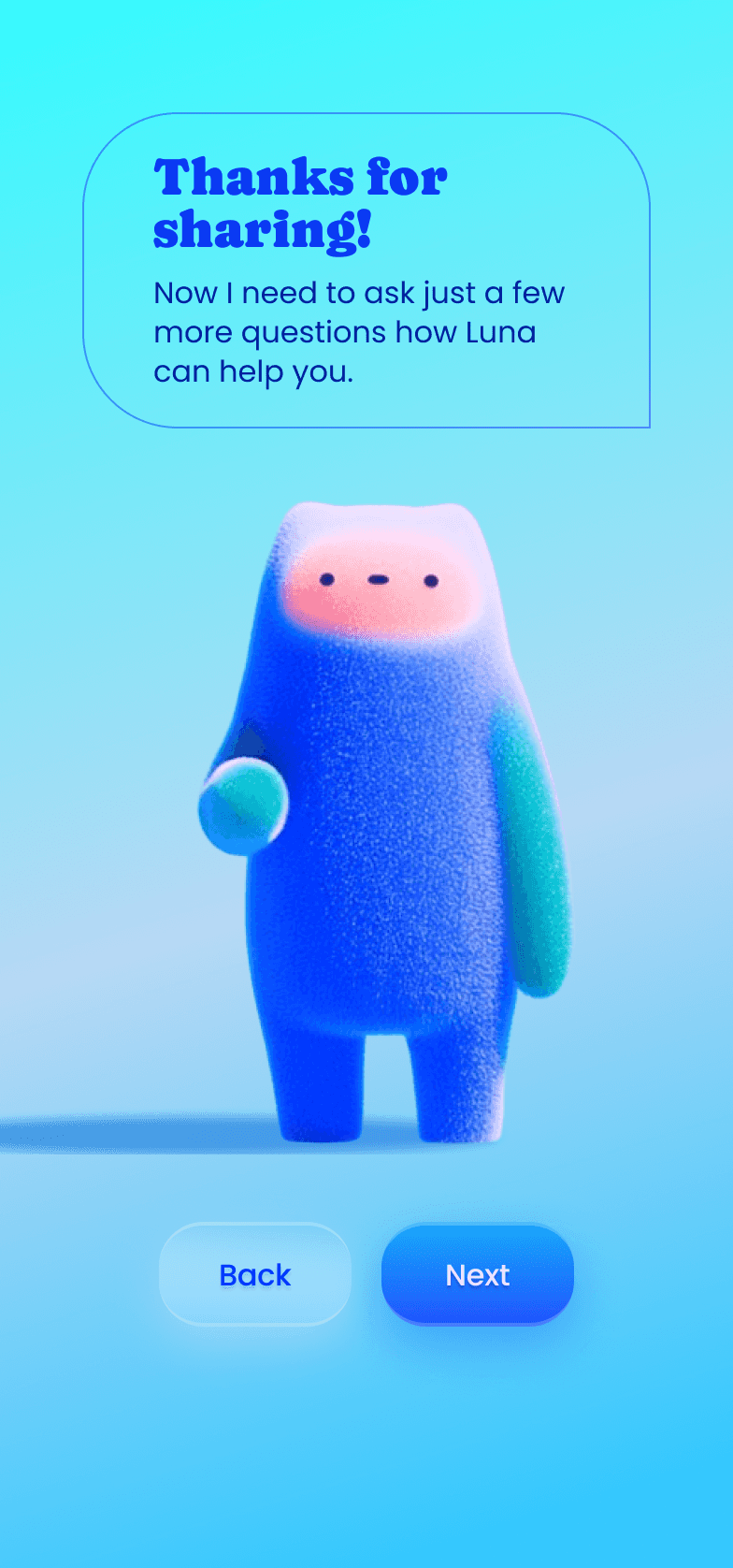
Mid-flow encouragement from Luna reduces abandonment by acknowledging progress and minimizing perceived effort for remaining questions.
IInteractive graphics and playful UI elements maintain user engagement and reduce drop-off during the onboarding process.

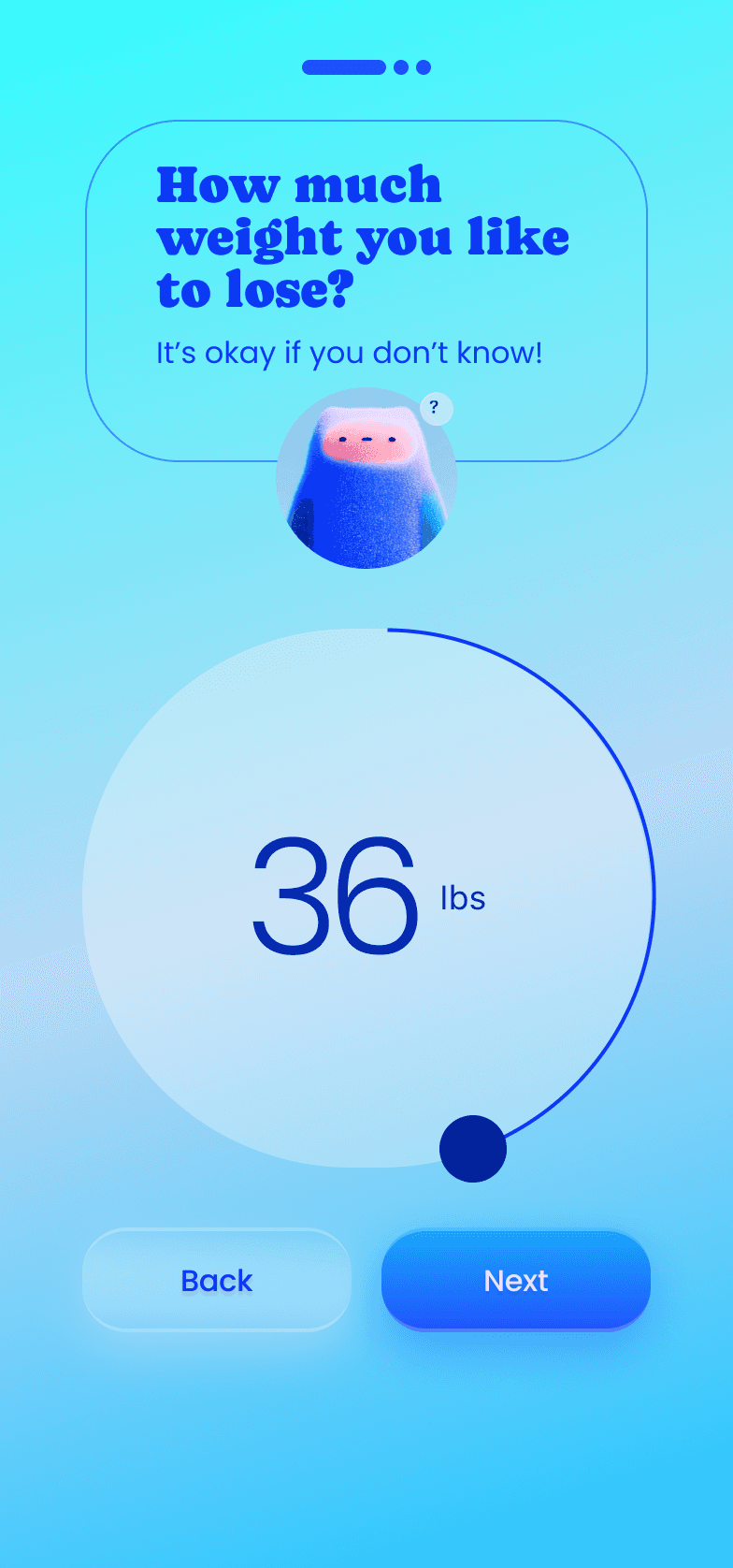
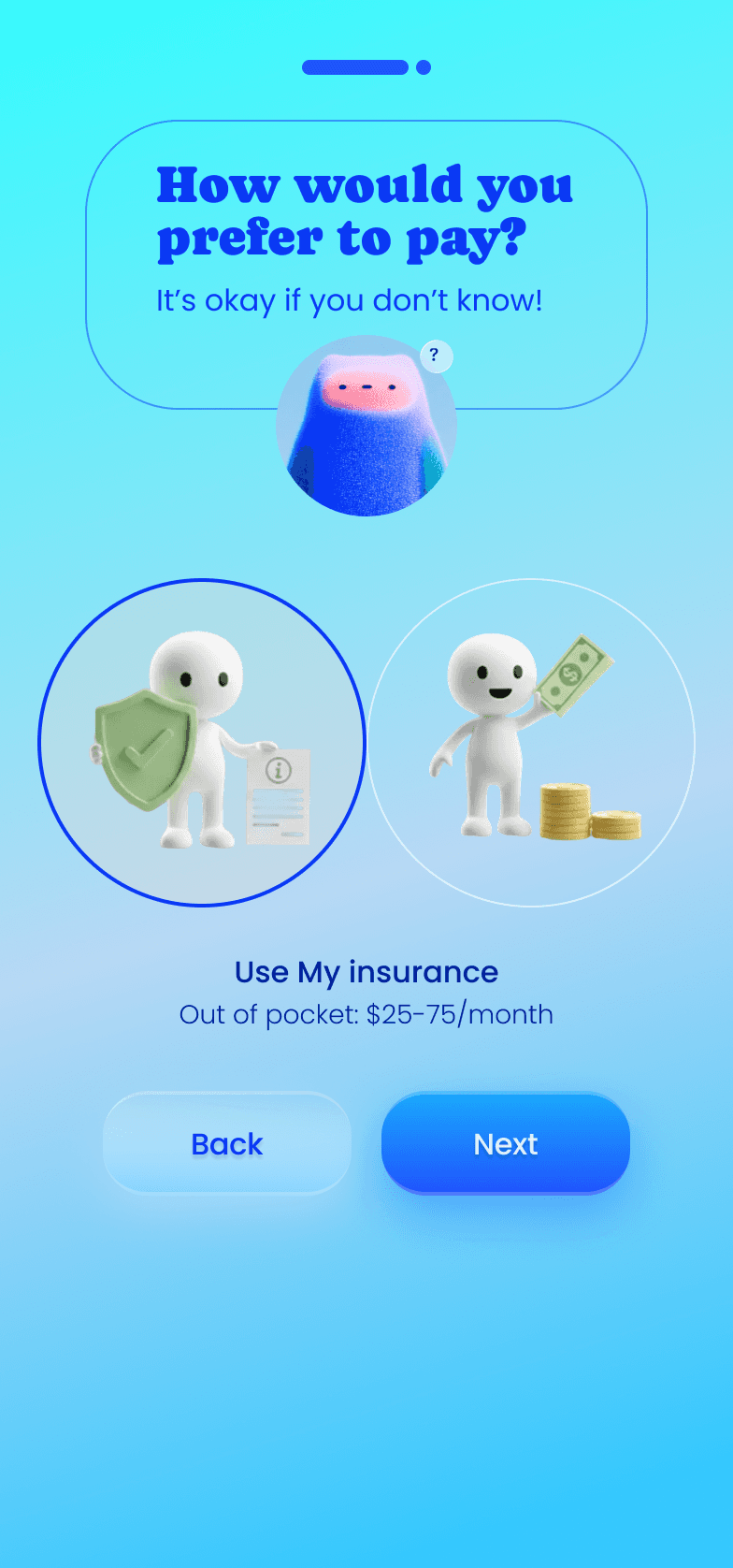
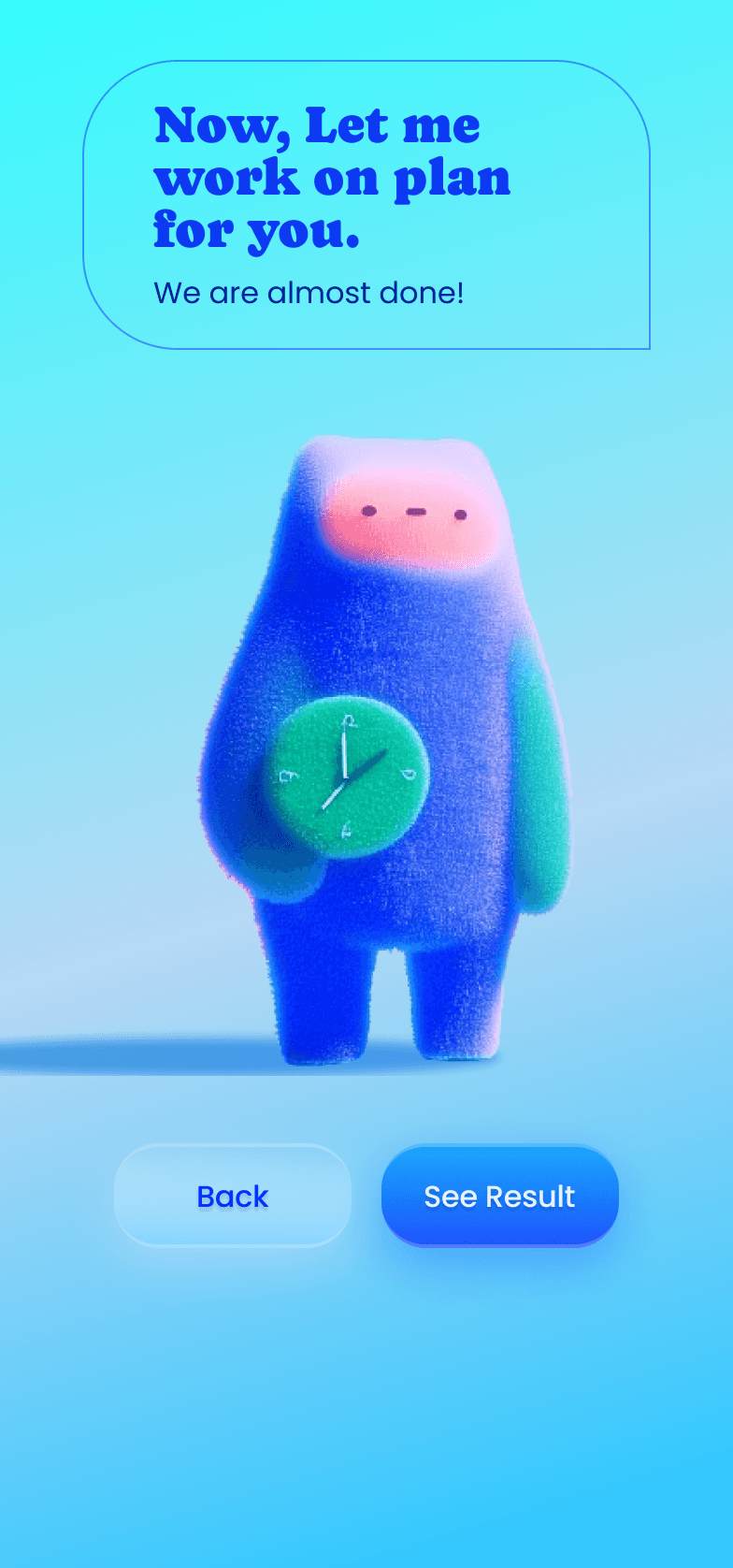

A congratulatory video message from Luna celebrates the user's completion, reinforcing positive momentum and encouraging them to begin their wellness journey.
Chat Interface Screen:
"Chat Pattern Rationale: Traditional form fields feel transactional and create pressure to answer 'correctly.' The conversational pattern reframes data collection as a friendly dialogue, reducing cognitive load and completion anxiety. Users can edit any previous response by tapping it—removing the fear of making irreversible mistakes."
Voice/Text Toggle:
"Dual Input Modes: Not just an accessibility feature—fundamentally changes user engagement. Voice feels more natural and faster for some users; text provides more control and privacy for others. Both format answers consistently for data collection."
Progress Indicator:
"Mid-flow Encouragement: After question 5, Luna provides a progress update acknowledging completion of the hardest part. This reduces abandonment at the psychological midpoint where users are most likely to drop off."
Planned Testing Approach:
Moderated usability testing with 8-10 target users
Key metrics: completion rate, time-to-complete, subjective satisfaction
Specific questions: Does Luna feel helpful or intrusive? Is voice/text choice intuitive?
Anticipated Challenges:
Voice recognition accuracy for diverse accents
Users who prefer neither voice nor extended typing
Privacy concerns about AI processing personal wellness data
Design Iterations Already Made:
Initially placed Luna's voice prompt at top; moved to center after realizing users expected it to animate
Reduced Luna's dialogue by 30% after finding initial scripts felt too chatty
Added explicit "edit" buttons after concern that tapping previous responses wasn't discoverable